

28 Oct Types of Plant-Based Leather: Agro-Waste, Mushroom, Apple, Grape, Pineapple and Cactus
Plant-based leather is not a single material. Innovators around the world are turning very different raw materials into leather alternatives, each with its own strengths, limitations and supply realities. Here is an overview of the main families.
1. Agro-waste (agricultural residue) leather
Agricultural residues are what remains after a harvest: sugarcane bagasse, wheat husk, rice straw, corn stalks and similar biomass. These are available in very large volumes, and in many regions they are burned in the field, which contributes to air pollution. Turning residue into fibre and combining it with binders creates a composite with a natural, leather-like hand.
Strengths: abundant, low-cost and non-food feedstock; strong circular-economy story; scalable supply. Watch-outs: fibre preparation and consistency are critical. Terratan™ belongs to this family and is made from sugarcane bagasse, wheat husk and rice paddy residue. Read why agro-waste is becoming a valuable industrial material.
2. Mushroom (mycelium) leather
Mycelium is the root network of fungi. Grown on substrates such as sawdust or agricultural by-products, it forms a dense mat that can be processed, tanned or coated into a leather-like material. Mycelium materials are known for a soft, suede-like hand.
Strengths: grown rather than extracted, with potentially high bio-based content. Watch-outs: controlled growing conditions, batch size and cost have made scaling challenging for the category.
3. Apple leather
Apple-based materials use pomace (the skins and cores left from juice and cider production), dried and milled into powder and combined with a polymer binder on a textile backing.
Strengths: uses a food-industry waste stream. Watch-outs: the plant share can be modest, with a large share of synthetic binder, so check the bio-based content.
4. Grape leather
Grape-based materials use grape marc (skins, seeds and stalks left after wine-making). Like apple leather, the plant material is combined with binders and coated onto a backing.
Strengths: abundant seasonal waste in wine regions and a strong origin story. Watch-outs: seasonal supply and variable plant content.
5. Pineapple leather
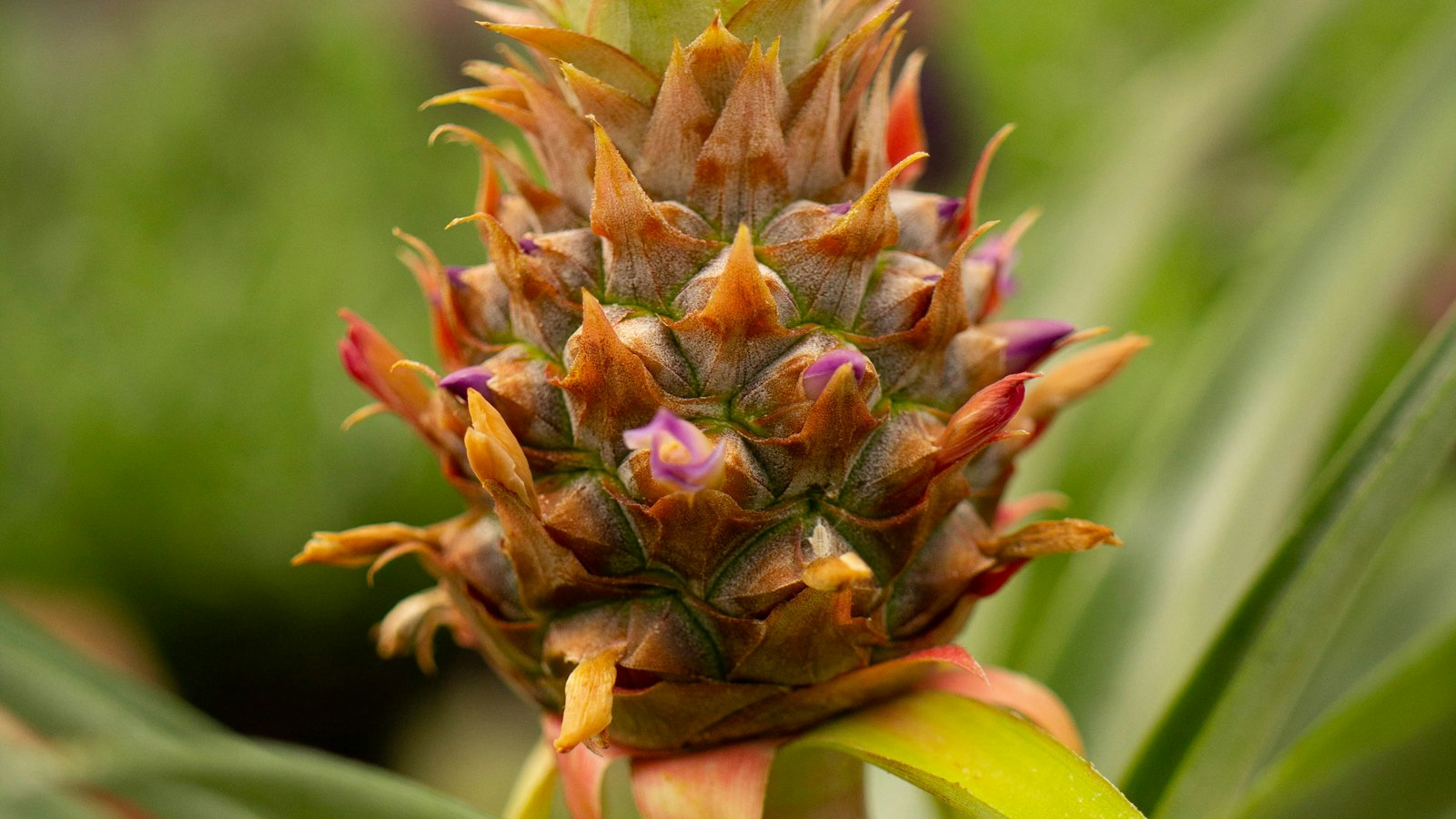
Pineapple leather uses fibres extracted from pineapple leaves, a by-product of the fruit harvest. The fibres are processed into a non-woven mesh and then finished. The best-known example is Piñatex® by Ananas Anam.
Strengths: uses harvest waste and has a distinctive textured look. Watch-outs: it is a non-woven textile, which affects its handling and finish options.
6. Cactus leather
Cactus leather uses mature leaves of the nopal (prickly pear) cactus, which are harvested, dried and processed into a powder and combined with a binder. Desserto® is a well-known example.
Strengths: the cactus needs little water and regrows after harvest. Watch-outs: as with other fruit and plant powders, check the share of binder.
How to compare them
Whatever the feedstock, compare plant-based leathers on the same criteria:
- Bio-based content, measured and ideally certified (for example USDA BioPreferred®, which uses ASTM D6866).
- Performance for your application: abrasion, flex, tensile, tear and colour fastness. See how to evaluate plant-based leather.
- Supply and scale: roll width, volumes, lead times and batch consistency.
- Feedstock security: is the raw material a genuine waste stream, available year-round, and not competing with food?
Agro-residue materials score well on feedstock security because crop residues are produced in huge volumes every season and are not food. Combined with roll-to-roll manufacturing, this makes them one of the most scalable routes for plant-based leather.
Work with Terratan
Terratan™ is Bharat Biomaterials’ plant-based leather alternative, made from agricultural residue and produced in continuous rolls in India. Explore the material, read about our sustainability approach, or contact our team to request the technical data sheet and samples.

Sorry, the comment form is closed at this time.