

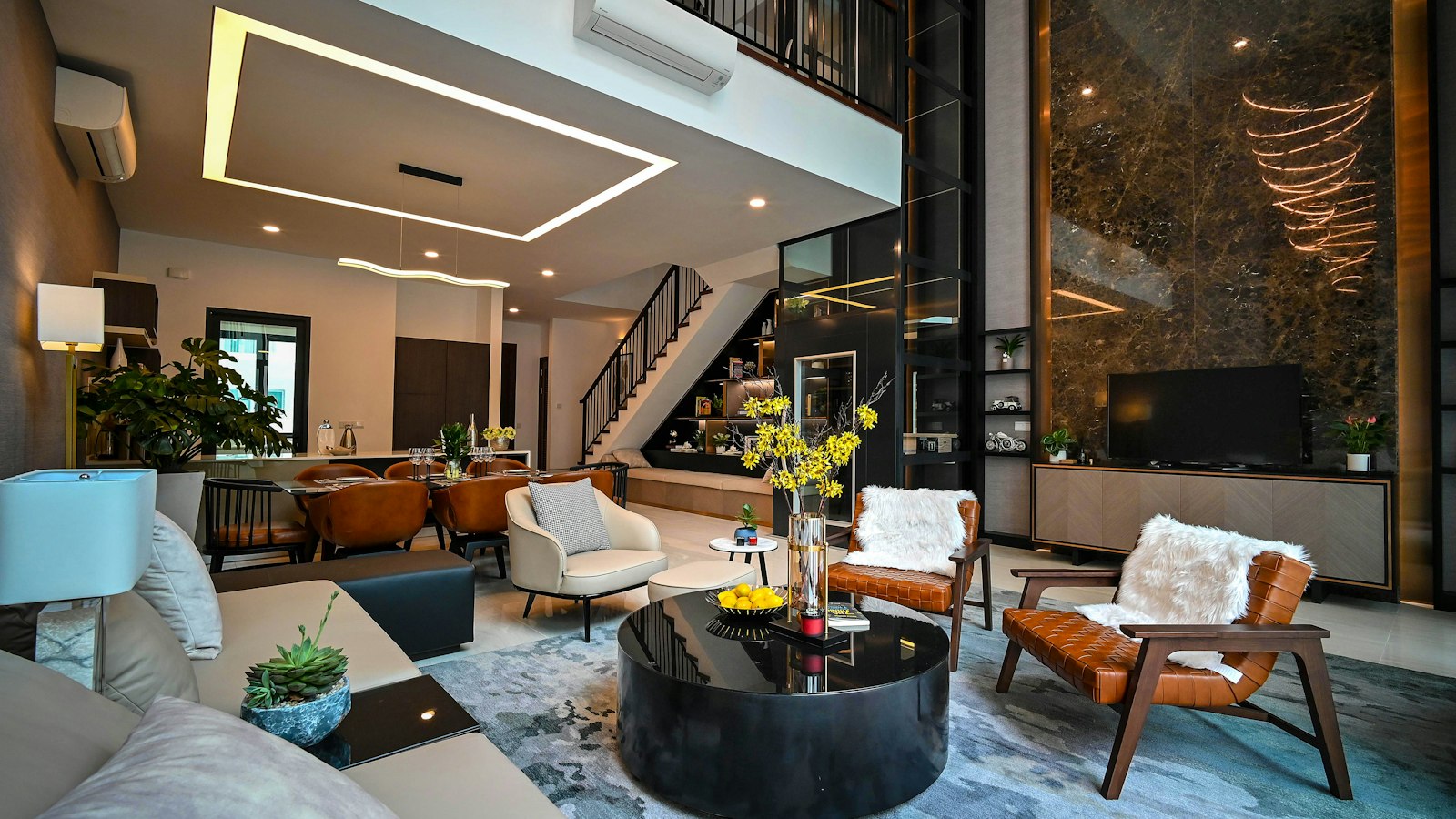
28 Oct Plant-Based Leather for Furniture and Upholstery
Furniture brands and interior designers are looking for upholstery materials that combine the warmth of leather with a lower environmental footprint and no animal inputs. Plant-based leather is a natural fit, provided it is specified correctly for how the piece will be used.
Where it works
- Residential seating: sofas, armchairs, dining and accent chairs
- Bedroom: headboards, bed frames and benches
- Hospitality and workplace: hotel, restaurant and office seating, banquettes and booths
- Accents: cushions, ottomans, panels and wrapped furniture details
What to specify
Abrasion resistance
Upholstery abrasion is usually quoted in Martindale rubs. Requirements rise with use intensity: decorative and light-use pieces need far less than heavy-traffic contract seating. Agree the target with your project brief or market standard.
Seam and tear strength
Upholstery is pulled over frames and stapled, and seams carry load when someone sits down. Check tear and seam slippage performance, and choose a backing with suitable strength and stretch.
Fire safety
Upholstery must meet the fire regulations of the market it is sold in, for example EN 1021 (cigarette and match ignition) in Europe, BS 5852 in the UK, or CAL TB 117-2013 in California. Requirements are stricter for contract and hospitality projects. Test the full composite: cover, interliner and foam.
Light fastness and cleanability
Pieces near windows need good light fastness. Ask for cleaning guidance and test common stains.
Texture, colour and thickness
Upholstery often uses 1.0–1.5 mm materials with a stretch-friendly backing for curves and tight corners. Pebbled grains hide wear well; smooth finishes give a modern look. See choosing thickness, texture and backing.
Benefits for furniture brands
- Consistent rolls mean efficient cutting and fewer rejects than hides.
- Colour consistency across large orders and repeat production.
- Verifiable claims: bio-based content and vegan certifications support sustainability positioning and green-building or procurement goals.
- Design flexibility through custom colours and grains.
Care tips for end users
Wipe spills promptly with a damp cloth and mild soap, avoid solvent-based cleaners, and keep pieces out of prolonged direct heat. Your supplier’s care guide should be passed on to customers.
Terratan for furniture
Terratan™ brings a natural, leather-like hand to upholstery with a story customers understand: it is made from agricultural residue rather than animal hides or fully fossil-based plastics. It is supplied in rolls in thicknesses from 0.6 to 1.5 mm, with options for colour, texture and backing, and it is a USDA Certified Biobased Product and PETA-Approved Vegan.
Work with Terratan
Terratan™ is Bharat Biomaterials’ plant-based leather alternative, made from agricultural residue and produced in continuous rolls in India. Explore the material, read about our sustainability approach, or contact our team to request the technical data sheet and samples.

Sorry, the comment form is closed at this time.